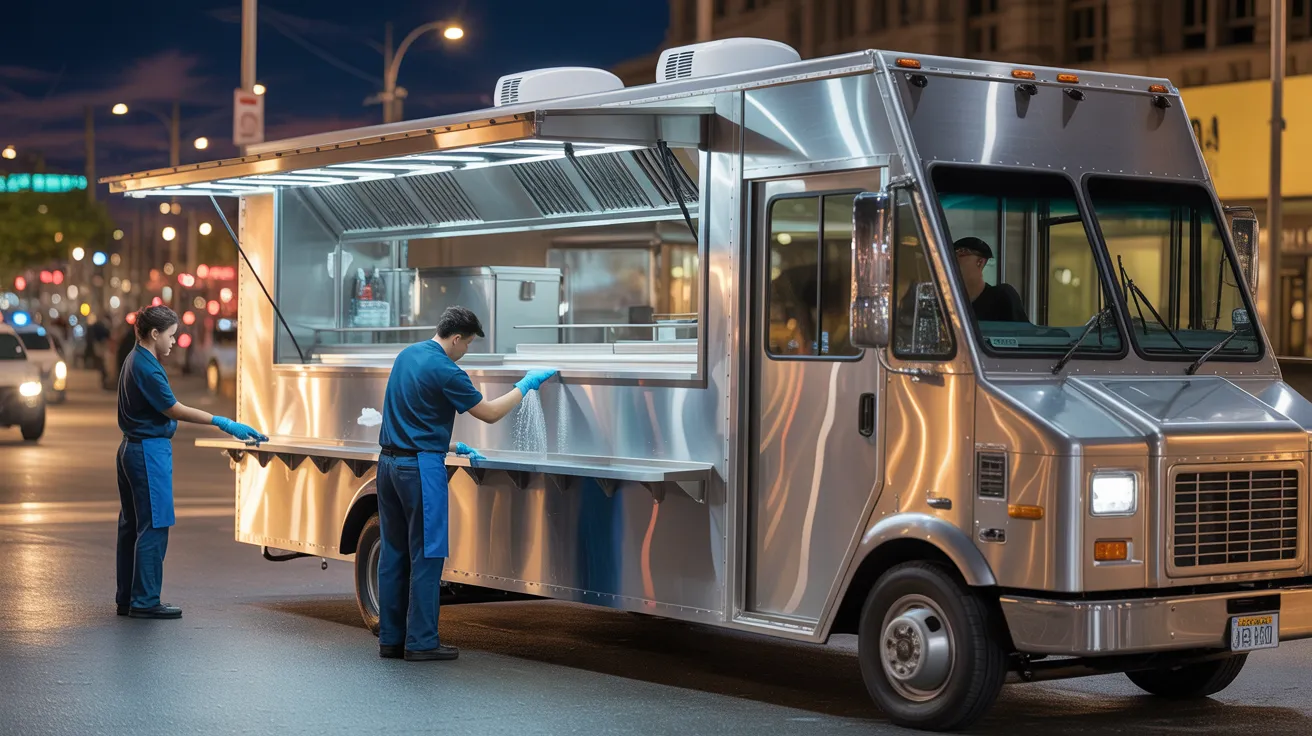
Professional food safety experts located in Brampton ensure food service establishments, commissaries, baking enterprises, warehouses, and food service vehicles to sanitation standards. They disinfect high-touch surfaces, food-contact areas, equipment, floors, drains, restrooms, and food handling areas with certified chemicals, at proper strength, and with verified times.
Main Points
- Brampton's food safety cleaning technicians provide services to restaurants, grocery departments, commissaries, warehouses, bakeries, schools, mobile vendors, and allergen-sensitive operations.
- They sanitize high-touch surfaces, food-contact equipment, kitchens, floors, drains, restrooms, and storage areas using area-specific procedures to eliminate cross-contamination.
- Proper chemical concentration, compatibility, and contact time are confirmed by trained specialists, with finalization logged via samples, audits, and correction logs.
- Risk, production rate, transitions, accidents, and guidelines must direct sanitation timelines, with routine, periodic, and seasonal activities allocated by area.
- Contractors should demonstrate HACCP, sanitation knowledge, WHMIS training, liability, endorsements, color-categorized instruments, and audit-ready cleaning records.
What Brampton Establishments Require Food Safety Cleaning?
Food safety cleaning is essential for any Brampton facility that manages, stores, prepares, packages, or distributes food. Apply it to your establishment if it falls within public health inspection, food premises regulations, or internal see more HACCP-based controls. This includes restaurants, cafeterias, commissaries, grocery food departments, butcher shops, seafood counters, convenience stores, and institutional kitchens.
Compliant food safety cleaning is additionally needed in storage warehouses, production plants, freezer facilities, bakeries, school nutrition services, reception halls, and meal delivery centers. Temporary and mobile businesses apply similarly, like food trucks, event vendors, and temporary stalls. Your venue must have recorded sanitation procedures should your team work with ingredients, section finished dishes, heat items, or keep allergens organized. In Brampton, sanitation remains not optional; it comprises statutory, functional, and public health standards.
What Do Brampton Cleaning Professionals Handle?
You require experienced cleaning professionals who sanitize frequently touched areas, kitchen spaces, floor areas, and restroom facilities to maintain food safety and public health requirements. These areas are targeted because they carry the greatest contamination risk, slip and fall dangers, and health code violations.
Understanding their cleaning procedures enables you to validate your operation's sanitation satisfies required standards and regulations.
High-Touch Surface Sterilization
Professional cleaning in Brampton teams underscore high-touch surface sanitizing given the potential of bacteria, viruses, and food residue spreading across the establishment. You should establish a scheduling system for sterilizing all high-touch items including handles, plates, switches, railings, control surfaces, POS systems, and refrigeration equipment. Applying surface identification mapping, professionals identify every frequently handled area and assign cleaning timing
Maintaining a sequential cleaning method, replacing towels, and keeping cleaning supplies according to zone ensures that system stays quantifiable, documented, and ready for inspection always
Cooking Zones, Walking Surfaces, and Restroom Environments
Brampton cleaning services zero in on kitchens, floors, and restrooms as each zone presents different sanitation, slip-and-fall, and public health risks. In industrial kitchens, you need degreasing on cook lines, equipment exteriors, drains, prep surfaces, and splash zones to minimize contamination and pest pressure.
Professional floor care with documentation is also included. is likewise provided as part of the service.
Restroom sanitation requires decontaminating touchpoints, fixtures, partitions, dispensers, and waste containers, restocking supplies and controlling odours. They also service restaurant moprooms, where chemical storage, sink hygiene, and drainage conditions can affect sanitation compliance and staff safety daily.
How Food Safety Cleaning Benefits Brampton Operations
In Brampton, you must copyright food-safe cleaning standards to meet regulatory standards and pass inspections. You also minimize cross-contamination by cleaning and sanitizing food-contact surfaces, equipment, and high-touch areas correctly. Most importantly, you safeguard public health by lowering the risk of foodborne illness in your facility.
Sanitary Standards Adherence
Brampton food establishments must comply with rigorous sanitary regulations, so cleaning procedures is key to meeting health codes, protecting customers, and sidestepping penalties. You must maintain clean food preparation areas, written maintenance records, safe chemical management, and auditable operational standards that correspond to municipal and provincial inspection expectations.
Detailed cleaning files allow you to establish due diligence during inspection audits and show your practices remain uniform, consistent, and monitored. Proper hygiene practices also enables allergen management by reducing particles on common tools and frequently touched surfaces.
Cross-Contamination Prevention
Following regulatory requirements depends on your skill in stopping cross-contamination in routine food work and sanitation. You must separate raw ingredients from ready-to-eat foods, sanitize prep surfaces between tasks, and maintain separation of cleaning products from food. Well-defined guidelines decrease contamination chances and support consistent compliance during inspections.
You should implement allergen segregation to prevent major allergens from touching shared surfaces, containers, or equipment. Employ separate boards, labeled implements, and strict utensil labeling so staff don't mix items during preparation or service. Mandate washing hands following raw meat, seafood, eggs, or allergen-containing products. Change cleaning rags frequently, and verify sanitizer strength with test strips. When you train staff to follow these controls each work period, you build a more hygienic, secure workplace that satisfies Brampton's safety standards daily.
Public Health Defense
When food safety cleaning breaks down, you don't just face inspection failure—you heighten the likelihood of foodborne illness impacting customers, staff, and the wider Brampton community. You also weaken your role in protecting public health, especially in busy food facilities where contamination can spread quickly through surfaces, equipment, and touchpoints.
You require cleaning protocols that eliminate soils, disinfect appropriately, and confirm results. This involves maintaining contact periods, selecting approved disinfectants, logging schedules, and coaching employees to meet health-unit expectations. These controls promote pathogen control by decreasing microbial counts before reaching surfaces or food. Throughout Brampton, strong cleaning safeguards susceptible populations, minimizes disease potential, and demonstrates accountability. When you follow proper protocols, you exceed regulations—you lower hazards and facilitate secure food handling region-wide.
How Does Cleaning Support Food Safety Compliance?
Strict sanitation practices promote food safety compliance by reducing contamination risks, limiting pathogen development, and positioning your facility in accordance with sanitation requirements under HACCP-based programs and public health regulations. You verify that product-contact areas remain visibly clean and microbiologically controlled, facilitating documented preventive controls and inspection readiness.
Systematic cleaning moreover strengthens allergen management by removing residues that can trigger undeclared allergen exposure. When you pair validated sanitation procedures with compliance training, your staff can adhere to established protocols, apply approved chemicals appropriately, complete records properly, and manage variations prior to problems worsen. Ongoing cleaning promotes product tracking, verifies corrective actions, and shows accountability in audits. Furthermore, it aids you protect product safety, preserve operational adherence, and decrease the possibility of enforcement actions, recalls, customer complaints, and avoidable safety threats.
How Should You Schedule Commercial Cleaning Work?
maintenance activities.
Schedule drains, vents, storage racks, and hard-to-reach equipment zones weekly or monthly, relying on inspection data and sanitation records.
Selecting the Right Brampton Cleaning Experts: Key Considerations
Screen providers initially by their food hygiene standards—not budget alone. You need to verify that every company meets CFIA, public health, and HACCP standards for your operation. Demand insurance verification, WHMIS compliance, training records, and management systems. Evaluate technician understanding of contamination dangers, chemical safety, and documented sanitation practices.
You must also evaluate operational reliability and accountability. Seek references from food facilities in Brampton, then assess response times, corrective-action procedures, and communication standards. Ensure the company supports supplier audits and can provide inspection-ready documentation when authorities or third parties demand verification. Verify equipment is maintained, color-coded items are deployed correctly, and site-specific hazards are understood. A reputable service safeguards compliance, product safety, and your market standing.
What's included in a sanitation cleaning strategy?
Create a documented strategy that clarifies every sanitation task, standard, and responsibility prior to production start. You should outline cleaning schedules, authorized chemicals, concentration levels, contact duration, implements, and validation techniques for each location, surface, and apparatus. Include pre-operational inspections, corrective actions, and employee training requirements.
Your strategy should also focus on contamination prevention controls, waste handling procedures, pest management measures, and written schedules for restrooms, drains, floors, and food-contact areas. Detail how you'll separate raw and ready-to-eat processes, support ingredient tracking, and maintain accurate allergen labeling through validated cleaning between product changes. You should set accountability, keep signed records, and assess results against regulatory standards, HACCP controls, and customer requirements. When gaps appear, modify procedures immediately and retrain staff.
Popular Asked Questions
Are sanitation providers offered for nighttime operations in Brampton facilities?
If you manage controlled environments, you'll also need documentation that support audits and maintain assurance.
Are hazard containment solutions available from sanitation professionals?
Yes, you can expect Brampton cleaning experts who offer hazard containment solutions. They manage hazardous materials, evaluate dangers, contain contamination, and begin swift cleanup to minimize risk and avoid operational disruption. You should confirm response times, professional credentials, PPE protocols, and disposal procedures. If your facility must comply with industry standards, select a service that documents incidents, follows compliant standards, and supports audit readiness.
Can green disinfectants be used safely on food preparation areas?
Absolutely, natural disinfectants remain appropriate for food-contact surfaces when you choose solutions certified for food use and complying with regulations. You must validate contact duration, mixing proportions, and rinse requirements before use. Plant based formulas decrease chemical burden, though you should gather confirmation of performance against specific pathogens. For ensuring residue-free conditions, stick to exact manufacturer guidelines and ensure the disinfecting agent adheres to applicable food industry sanitation standards.
Do cleaning schedules allow for production fluctuations?
Absolutely, cleaning plans enable modification for seasonal production changes. Modify schedules, staff levels, cleaning agents, and confirmation procedures to match production rhythms while preserving regulatory compliance. Decrease operational delays through scheduling cleaning around equipment transitions, maximum output, and usage patterns. Additionally update written procedures, instruction programs, and environmental monitoring to account for seasonal hazards, new allergens, or elevated soil levels. Continuous reviews preserve your strategy functional.
Are commercial cleaners offering employee instruction on sanitation best practices?
Indeed, commercial cleaning providers often offer staff training on sanitation best practices. Your staff obtains instruction on proper chemical use, exposure durations, preventing cross-contamination, equipment breakdown, and record-keeping. They generally adhere to training with HACCP, GMP, and CFIA or regional health standards criteria. Many perform compliance inspections to verify compliance, reveal issues, and strengthen improvement measures. This assists you to maintain consistent procedures, achieve compliance, and reduce food safety risks each day.
Summary
Through engaging Brampton food safety and commercial cleaning experts, you accomplish much beyond organizing—you ensure your facility for audits and your procedures meet requirements. From production floors to kitchens, all maintained surfaces and kept corners reduce contamination risks and avoid major losses. Through booking service on suitable timelines and sticking to a solid cleaning plan, you ensure protection for your team, clients, and your standing. Within strict regulatory frameworks, clean conditions cannot be considered optional—they represent good business practice.